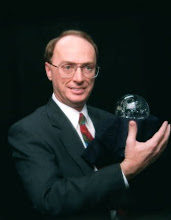
Johnny,
Happy Birthday Johnny!
Thank you for all of your help over the years.
Your Buddy,
Then Mighty Quinn...TQP
Tuesday, May 10, 2011

Monday, April 18, 2011
Its Tax Day Today...Here is a distraction for that
Its the day after tax day here in the United States of America.
Here is a little relief and a little motivation for some of us who forget the sacrifices made for our country on the part of our founding fathers and patriots.
Paul Revere was not a soldier, but was a private citizen just like most of us. He, Dawes and Prescott set out on the 18th of April of 1775, to change our history, forever. Revere was honored several years after the historic event by the famous poet, Henry Wadsworth Longfellow.
Here is the story of Paul Revere's Ride
Click this link to hear the narration By Wayne F. Perkins, Stress Annihilator
Paul Revere's Ride
Henry Wadsworth Longfellow
Listen my children and you shall hear
Of the midnight ride of Paul Revere,
On the eighteenth of April, in Seventy-five;
Hardly a man is now alive
Who remembers that famous day and year.
He said to his friend, "If the British march
By land or sea from the town to-night,
Hang a lantern aloft in the belfry arch
Of the North Church tower as a signal light,--
One if by land, and two if by sea;
And I on the opposite shore will be,
Ready to ride and spread the alarm
Through every Middlesex village and farm,
For the country folk to be up and to arm."
Then he said "Good-night!" and with muffled oar
Silently rowed to the Charlestown shore,
Just as the moon rose over the bay,
Where swinging wide at her moorings lay
The Somerset, British man-of-war;
A phantom ship, with each mast and spar
Across the moon like a prison bar,
And a huge black hulk, that was magnified
By its own reflection in the tide.
Meanwhile, his friend through alley and street
Wanders and watches, with eager ears,
Till in the silence around him he hears
The muster of men at the barrack door,
The sound of arms, and the tramp of feet,
And the measured tread of the grenadiers,
Marching down to their boats on the shore.
Then he climbed the tower of the Old North Church,
By the wooden stairs, with stealthy tread,
To the belfry chamber overhead,
And startled the pigeons from their perch
On the somber rafters, that round him made
Masses and moving shapes of shade,--
By the trembling ladder, steep and tall,
To the highest window in the wall,
Where he paused to listen and look down
A moment on the roofs of the town
And the moonlight flowing over all.
Beneath, in the churchyard, lay the dead,
In their night encampment on the hill,
Wrapped in silence so deep and still
That he could hear, like a sentinel's tread,
The watchful night-wind, as it went
Creeping along from tent to tent,
And seeming to whisper, "All is well!"
A moment only he feels the spell
Of the place and the hour, and the secret dread
Of the lonely belfry and the dead;
For suddenly all his thoughts are bent
On a shadowy something far away,
Where the river widens to meet the bay,--
A line of black that bends and floats
On the rising tide like a bridge of boats.
Meanwhile, impatient to mount and ride,
Booted and spurred, with a heavy stride
On the opposite shore walked Paul Revere.
Now he patted his horse's side,
Now he gazed at the landscape far and near,
Then, impetuous, stamped the earth,
And turned and tightened his saddle girth;
But mostly he watched with eager search
The belfry tower of the Old North Church,
As it rose above the graves on the hill,
Lonely and spectral and somber and still.
And lo! as he looks, on the belfry's height
A glimmer, and then a gleam of light!
He springs to the saddle, the bridle he turns,
But lingers and gazes, till full on his sight
A second lamp in the belfry burns.
A hurry of hoofs in a village street,
A shape in the moonlight, a bulk in the dark,
And beneath, from the pebbles, in passing, a spark
Struck out by a steed flying fearless and fleet;
That was all! And yet, through the gloom and the light,
The fate of a nation was riding that night;
And the spark struck out by that steed, in his flight,
Kindled the land into flame with its heat.
He has left the village and mounted the steep,
And beneath him, tranquil and broad and deep,
Is the Mystic, meeting the ocean tides;
And under the alders that skirt its edge,
Now soft on the sand, now loud on the ledge,
Is heard the tramp of his steed as he rides.
It was twelve by the village clock
When he crossed the bridge into Medford town.
He heard the crowing of the cock,
And the barking of the farmer's dog,
And felt the damp of the river fog,
That rises after the sun goes down.
It was one by the village clock,
When he galloped into Lexington.
He saw the gilded weathercock
Swim in the moonlight as he passed,
And the meeting-house windows, black and bare,
Gaze at him with a spectral glare,
As if they already stood aghast
At the bloody work they would look upon.
It was two by the village clock,
When he came to the bridge in Concord town.
He heard the bleating of the flock,
And the twitter of birds among the trees,
And felt the breath of the morning breeze
Blowing over the meadow brown.
And one was safe and asleep in his bed
Who at the bridge would be first to fall,
Who that day would be lying dead,
Pierced by a British musket ball.
You know the rest. In the books you have read
How the British Regulars fired and fled,---
How the farmers gave them ball for ball,
>From behind each fence and farmyard wall,
Chasing the redcoats down the lane,
Then crossing the fields to emerge again
Under the trees at the turn of the road,
And only pausing to fire and load.
So through the night rode Paul Revere;
And so through the night went his cry of alarm
To every Middlesex village and farm,---
A cry of defiance, and not of fear,
A voice in the darkness, a knock at the door,
And a word that shall echo for evermore!
For, borne on the night-wind of the Past,
Through all our history, to the last,
In the hour of darkness and peril and need,
The people will waken and listen to hear
The hurrying hoof-beats of that steed,
And the midnight message of Paul Revere.
Thank you,
Wayne F. Perkins
Corporate Stress Annihilator
"My mission in life is to help you achieve your mission in life."
Here is a little relief and a little motivation for some of us who forget the sacrifices made for our country on the part of our founding fathers and patriots.
Paul Revere was not a soldier, but was a private citizen just like most of us. He, Dawes and Prescott set out on the 18th of April of 1775, to change our history, forever. Revere was honored several years after the historic event by the famous poet, Henry Wadsworth Longfellow.
Here is the story of Paul Revere's Ride
Click this link to hear the narration By Wayne F. Perkins, Stress Annihilator
Paul Revere's Ride
Henry Wadsworth Longfellow
Listen my children and you shall hear
Of the midnight ride of Paul Revere,
On the eighteenth of April, in Seventy-five;
Hardly a man is now alive
Who remembers that famous day and year.
He said to his friend, "If the British march
By land or sea from the town to-night,
Hang a lantern aloft in the belfry arch
Of the North Church tower as a signal light,--
One if by land, and two if by sea;
And I on the opposite shore will be,
Ready to ride and spread the alarm
Through every Middlesex village and farm,
For the country folk to be up and to arm."
Then he said "Good-night!" and with muffled oar
Silently rowed to the Charlestown shore,
Just as the moon rose over the bay,
Where swinging wide at her moorings lay
The Somerset, British man-of-war;
A phantom ship, with each mast and spar
Across the moon like a prison bar,
And a huge black hulk, that was magnified
By its own reflection in the tide.
Meanwhile, his friend through alley and street
Wanders and watches, with eager ears,
Till in the silence around him he hears
The muster of men at the barrack door,
The sound of arms, and the tramp of feet,
And the measured tread of the grenadiers,
Marching down to their boats on the shore.
Then he climbed the tower of the Old North Church,
By the wooden stairs, with stealthy tread,
To the belfry chamber overhead,
And startled the pigeons from their perch
On the somber rafters, that round him made
Masses and moving shapes of shade,--
By the trembling ladder, steep and tall,
To the highest window in the wall,
Where he paused to listen and look down
A moment on the roofs of the town
And the moonlight flowing over all.
Beneath, in the churchyard, lay the dead,
In their night encampment on the hill,
Wrapped in silence so deep and still
That he could hear, like a sentinel's tread,
The watchful night-wind, as it went
Creeping along from tent to tent,
And seeming to whisper, "All is well!"
A moment only he feels the spell
Of the place and the hour, and the secret dread
Of the lonely belfry and the dead;
For suddenly all his thoughts are bent
On a shadowy something far away,
Where the river widens to meet the bay,--
A line of black that bends and floats
On the rising tide like a bridge of boats.
Meanwhile, impatient to mount and ride,
Booted and spurred, with a heavy stride
On the opposite shore walked Paul Revere.
Now he patted his horse's side,
Now he gazed at the landscape far and near,
Then, impetuous, stamped the earth,
And turned and tightened his saddle girth;
But mostly he watched with eager search
The belfry tower of the Old North Church,
As it rose above the graves on the hill,
Lonely and spectral and somber and still.
And lo! as he looks, on the belfry's height
A glimmer, and then a gleam of light!
He springs to the saddle, the bridle he turns,
But lingers and gazes, till full on his sight
A second lamp in the belfry burns.
A hurry of hoofs in a village street,
A shape in the moonlight, a bulk in the dark,
And beneath, from the pebbles, in passing, a spark
Struck out by a steed flying fearless and fleet;
That was all! And yet, through the gloom and the light,
The fate of a nation was riding that night;
And the spark struck out by that steed, in his flight,
Kindled the land into flame with its heat.
He has left the village and mounted the steep,
And beneath him, tranquil and broad and deep,
Is the Mystic, meeting the ocean tides;
And under the alders that skirt its edge,
Now soft on the sand, now loud on the ledge,
Is heard the tramp of his steed as he rides.
It was twelve by the village clock
When he crossed the bridge into Medford town.
He heard the crowing of the cock,
And the barking of the farmer's dog,
And felt the damp of the river fog,
That rises after the sun goes down.
It was one by the village clock,
When he galloped into Lexington.
He saw the gilded weathercock
Swim in the moonlight as he passed,
And the meeting-house windows, black and bare,
Gaze at him with a spectral glare,
As if they already stood aghast
At the bloody work they would look upon.
It was two by the village clock,
When he came to the bridge in Concord town.
He heard the bleating of the flock,
And the twitter of birds among the trees,
And felt the breath of the morning breeze
Blowing over the meadow brown.
And one was safe and asleep in his bed
Who at the bridge would be first to fall,
Who that day would be lying dead,
Pierced by a British musket ball.
You know the rest. In the books you have read
How the British Regulars fired and fled,---
How the farmers gave them ball for ball,
>From behind each fence and farmyard wall,
Chasing the redcoats down the lane,
Then crossing the fields to emerge again
Under the trees at the turn of the road,
And only pausing to fire and load.
So through the night rode Paul Revere;
And so through the night went his cry of alarm
To every Middlesex village and farm,---
A cry of defiance, and not of fear,
A voice in the darkness, a knock at the door,
And a word that shall echo for evermore!
For, borne on the night-wind of the Past,
Through all our history, to the last,
In the hour of darkness and peril and need,
The people will waken and listen to hear
The hurrying hoof-beats of that steed,
And the midnight message of Paul Revere.
Thank you,
Wayne F. Perkins
Corporate Stress Annihilator
"My mission in life is to help you achieve your mission in life."
Tuesday, April 12, 2011
Tell Me What Hurts
I am currently researching a new book. I am constantly creating new audio products that focus on important challenges people face.
What three challenges do you face that you can overcome by annihilating stress?
Reply to the pop-up window by filling out your name, email address and type in your three most pressing challenges that will be help through reducing stress in your life.
In return you will receive my mp3 audio book, Hypno-meditation: 15 Days to Transform Your Life." by Ormond McGill Dean of American Hypnotists and Wayne F. Perkins, Stress Annihilator.
I wish you success!
Wayne F. Perkins
Stress Annihilator
"My mission in life is to help you achieve your mission in life." Wayne F. Perkins
What three challenges do you face that you can overcome by annihilating stress?
Reply to the pop-up window by filling out your name, email address and type in your three most pressing challenges that will be help through reducing stress in your life.
In return you will receive my mp3 audio book, Hypno-meditation: 15 Days to Transform Your Life." by Ormond McGill Dean of American Hypnotists and Wayne F. Perkins, Stress Annihilator.
I wish you success!
Wayne F. Perkins
Stress Annihilator
"My mission in life is to help you achieve your mission in life." Wayne F. Perkins
Thursday, March 10, 2011
How to Handle People Who Annoy You
How do you work with people who annoy you? How do you handle them?
Here is a lesson that taught me how to get beyond the annoyance.
I listened to Abraham Lincoln when he once said. “The easiest way to defeat an enemy is to make that enemy your friend.”
Several years ago I met Richard. Richard had a personality that did not mesh with mine. Generally, I am a n easy person to get along with. I do my best to view the best in other people. However, with Richard, I tried to flee the scene whenever he was around. I used annoyance avoidance behaviors to keep out of Richard’s sight.
I planned a large public all day workshop on stress. Since I was personally funding this workshop, I was watching costs very carefully. Richard volunteered to help me sell my products back of the room. Even though I probably seemed annoyed that he asked, I was forced to do the cost effective thing and allow him to help me sell my products.
At the time I had just one product. It was a cassette tape on Overcoming Stress. I had no book or large tape album, just one solitary cassette tape selling for twenty dollars.
When the morning of the workshop arrived, I was very disappointed. My public seminar only drew fifty paid registrants. I decided I would give those fifty people the best I could give even though I knew I would barely break even at the end of the day.
I gave a great workshop. I even answered questions during lunch and breaks, never leaving the stage area for a moment.
Richard was no visible all day because the back of the room selling area was actually a separate room leading to the bathrooms and the parking lot.
Finally, at the end of the day and after all the attendees went home, I sat exhausted on stage. Richard came in from the back of the room area with a big smile on his face.
He said, “Wayne, you look tired.” Do you want to know how many cassettes you sold to your fifty attendees?” Secretly I hoped he wouldn’t tell me, but I said, “Okay Richard, how many did we sell?
Richard said, we sold All OF THEM. We sold three hundred cassettes to just fifty people!
I asked, “How could that happen?” Richard told me, “Every time there was a break and during lunch, attendees passed by and they would purchase several additional tapes for their friends and relatives who couldn’t come to the workshop. This buying frenzy lasted all day while I was working hard on stage.
My disaster turned out to be one of my best business days. It never would have turned out that way unless I overcame my annoyance avoidance behaviors and made Richard my friend.
Today, over twenty years later, Richard and I are still close friends. When I think back, I cannot remember what it was about Richard that annoyed me. In fact all the people who ever annoyed me, I lost that feeling of annoyance. I can remember everything about that workshop many years ago, but remember nothing of what annoyed me in the first place.
As Abraham Lincoln once said, ““The easiest way to defeat an enemy is to make that enemy your friend.”
Remember the Abe’s statement the next time someone annoys you. That person may just surprise you in a very pleasant way!
Wayne F. Perkins
Stress Annihilator
"My mission in life is to help you achieve your mission in life."
Here is a lesson that taught me how to get beyond the annoyance.
I listened to Abraham Lincoln when he once said. “The easiest way to defeat an enemy is to make that enemy your friend.”
Several years ago I met Richard. Richard had a personality that did not mesh with mine. Generally, I am a n easy person to get along with. I do my best to view the best in other people. However, with Richard, I tried to flee the scene whenever he was around. I used annoyance avoidance behaviors to keep out of Richard’s sight.
I planned a large public all day workshop on stress. Since I was personally funding this workshop, I was watching costs very carefully. Richard volunteered to help me sell my products back of the room. Even though I probably seemed annoyed that he asked, I was forced to do the cost effective thing and allow him to help me sell my products.
At the time I had just one product. It was a cassette tape on Overcoming Stress. I had no book or large tape album, just one solitary cassette tape selling for twenty dollars.
When the morning of the workshop arrived, I was very disappointed. My public seminar only drew fifty paid registrants. I decided I would give those fifty people the best I could give even though I knew I would barely break even at the end of the day.
I gave a great workshop. I even answered questions during lunch and breaks, never leaving the stage area for a moment.
Richard was no visible all day because the back of the room selling area was actually a separate room leading to the bathrooms and the parking lot.
Finally, at the end of the day and after all the attendees went home, I sat exhausted on stage. Richard came in from the back of the room area with a big smile on his face.
He said, “Wayne, you look tired.” Do you want to know how many cassettes you sold to your fifty attendees?” Secretly I hoped he wouldn’t tell me, but I said, “Okay Richard, how many did we sell?
Richard said, we sold All OF THEM. We sold three hundred cassettes to just fifty people!
I asked, “How could that happen?” Richard told me, “Every time there was a break and during lunch, attendees passed by and they would purchase several additional tapes for their friends and relatives who couldn’t come to the workshop. This buying frenzy lasted all day while I was working hard on stage.
My disaster turned out to be one of my best business days. It never would have turned out that way unless I overcame my annoyance avoidance behaviors and made Richard my friend.
Today, over twenty years later, Richard and I are still close friends. When I think back, I cannot remember what it was about Richard that annoyed me. In fact all the people who ever annoyed me, I lost that feeling of annoyance. I can remember everything about that workshop many years ago, but remember nothing of what annoyed me in the first place.
As Abraham Lincoln once said, ““The easiest way to defeat an enemy is to make that enemy your friend.”
Remember the Abe’s statement the next time someone annoys you. That person may just surprise you in a very pleasant way!
Wayne F. Perkins
Stress Annihilator
"My mission in life is to help you achieve your mission in life."
Subscribe to:
Comments (Atom)